






Host a Swarm Trap
April through June, you'll have a reason to look up
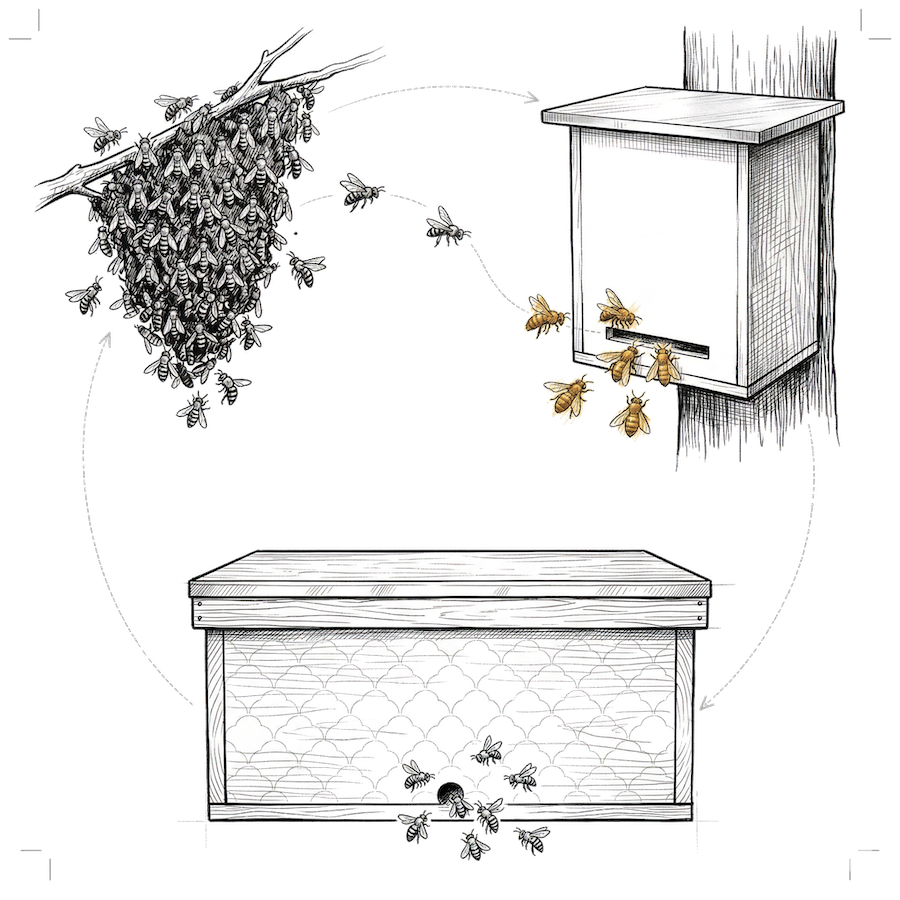
The Gorge runs on pollination — and wild honeybee swarms need homes. We'll hang a trap on your property for free. You keep an eye on it. When bees move in, we give them a great home. You're part of the network.

Catch a Colony
How the swarm trap program works
Every spring, honeybee colonies reproduce by swarming — half the colony leaves to find a new home. Most of these swarms end up in places nobody wants them: eaves, walls, compost bins. A swarm trap gives them a better option.
We hang a trap on your property in spring. You check it during swarm season — April through June — looking for bees moving in. When they do, you let us know. We come pick them up and house them in a horizontal hive somewhere in the Gorge. Priority goes to people setting up their first hive.
If the trap sits empty all season, no worries — we retrieve it in fall and restock next year if you're willing. Not every trap catches, and that's normal.
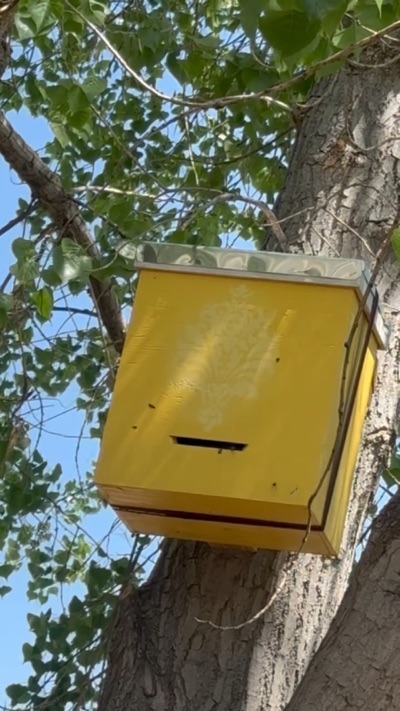
Swarm trap mounted— scouts investigating
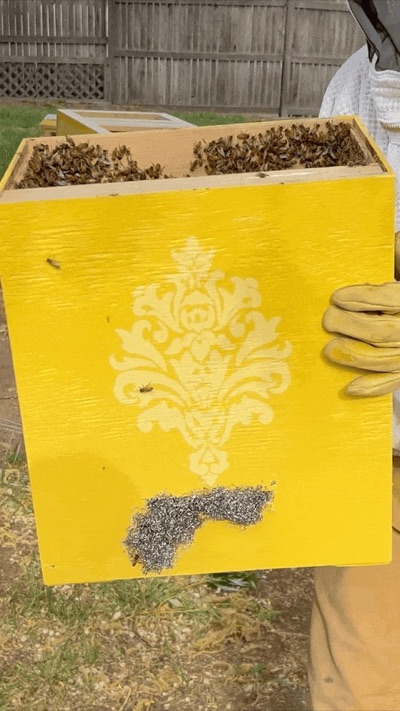
A box of bees ready to be put in a hive
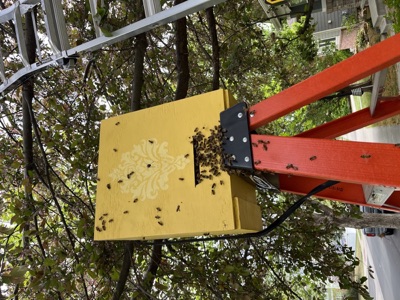
Full swarm trap being taken down
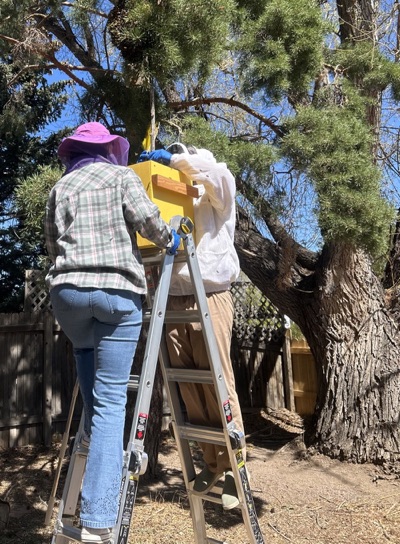
Swarm catch in action
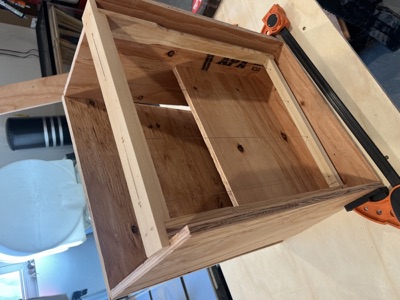
Swarm traps under construction
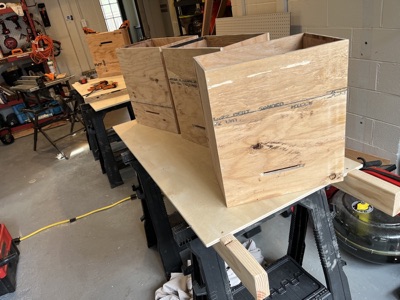
Gluing and assembly
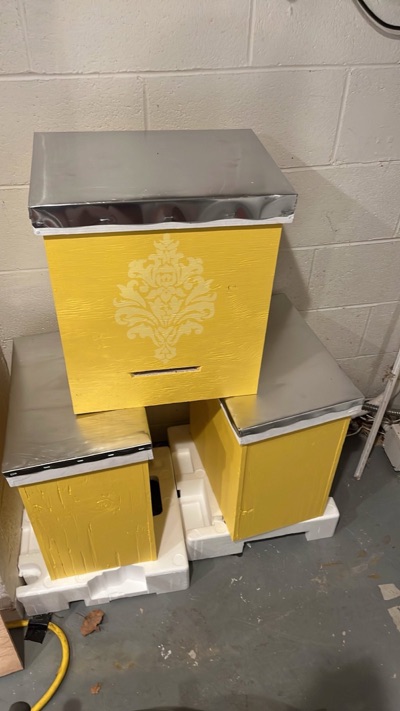
Finished traps — painted and ready to deploy
How it Works
Hosting a swarm trap is free and takes almost no effort. Here's the deal.
We Place the Trap
We select a good spot on your property and hang a swarm trap in spring. You don't need to do anything for setup — just grant access.
You Watch for Bees
During swarm season (April–June), take a look at the trap daily. You're looking for a cloud of arriving bees, then steady traffic in and out. It's obvious when it happens.
You Tell Us
When bees move in, let us know. We come pick up the colony promptly and give them a permanent home in a horizontal hive.
Swarms Find Homes
Caught swarms populate Layens hives across the Gorge. If you decide to get your own hive, your trap catch populates it first.

Your Trap Is Part of a Network
Every hosted trap and every placed hive appears on our participant map — showing the growing network of pollination infrastructure across the Gorge. Each hive covers roughly two miles of foraging radius. As the network grows, the gaps shrink.
Spotted a swarm in the wild — not in one of our traps? Report it at beeswarmed.org so it can find a home too.
Help us build the map.
Getting Started
Whether you're hosting a trap or considering a hive — here's what to know.
Monitoring a Trap
What a swarm arrival looks like, how often to check, and how to contact us when bees move in. It's simpler than you think.
Site Selection
Morning sun, afternoon shade, wind protection, and a water source nearby. We'll help you find the right spot — most properties have one.
Seasonal Calendar
When traps go out, when swarm season peaks, when to expect retrieval. For hive owners: the Layens management rhythm through the year.
Ready for a Hive?
Low-maintenance beekeeping starts with a great home
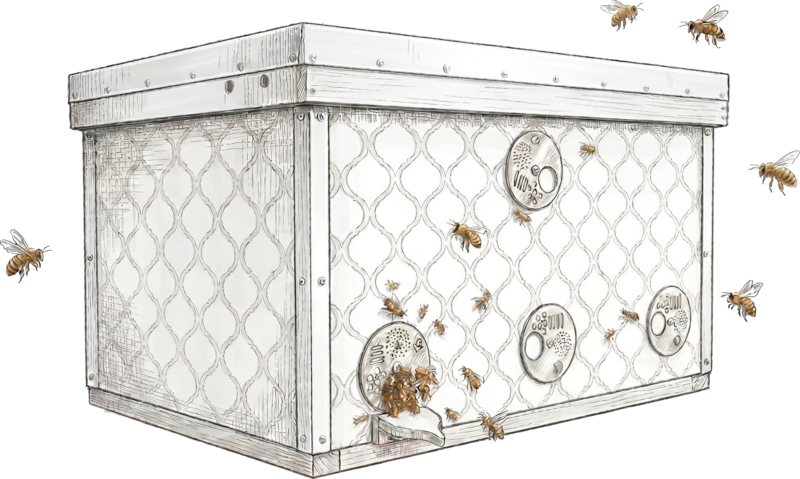
A Better Home for Bees
Horizontal Layens hives — low-maintenance, bee-first design
Ready to keep bees yourself? Our horizontal Layens hives are designed as luxury tree hollows — beautiful homes where bees thrive with minimal intervention. No heavy boxes to stack and unstack — just slide frames in and out.
We believe in giving bees great homes and letting them be bees. These hives are painted, assembled, and ready to populate with a locally-caught swarm from the trap network. They're backyard conversation pieces as much as bee habitat.
Healthy Colonies
Inspections, entrance traffic, and thriving hives
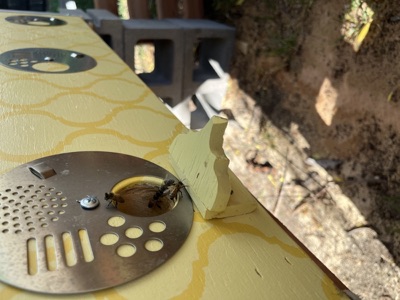
Main entrance with bee landing area at horizontal hive
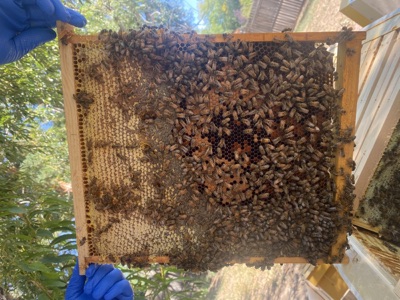
Inspecting a healthy brood frame — good pattern
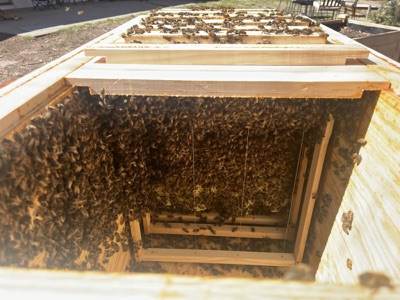
Thriving colony building comb — frames covered with bees
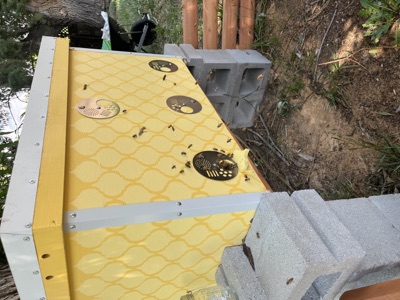
Layens hive supported on cinder blocks in backyard
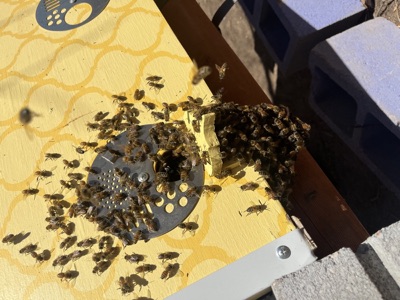
Peak afternoon foraging on a hot day— this colony swarmed a weeks later!
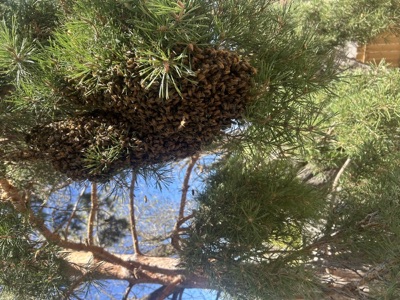
A swarm cluster waiting for scouts to find a home
Host a swarm trap. It's free.
You watch for bees. We give them a great home. Everyone's yard does more.